


Projectors
Which projector suits your room? Contact us for advice or a quote
Filter by
Brand
Price incl. VAT
Price incl. VAT
Product line
Product line
14 products
Sort by Available first
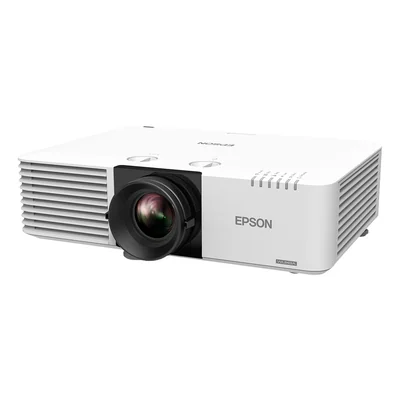
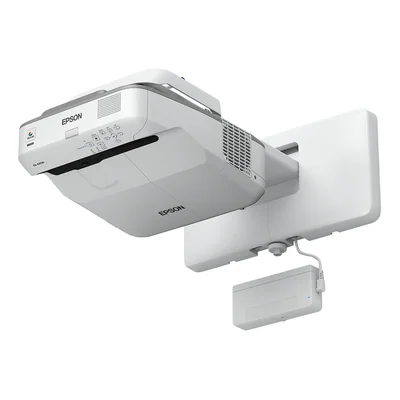
Ultra short throw interactive projector, 3LCD, WXGA, 3500 lumens, finger touch, white and grey
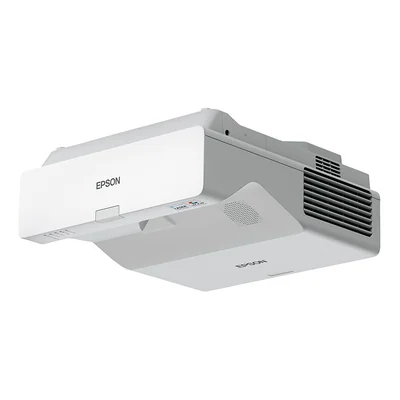
Ultra short throw interactive laser projector, Full HD, 4,100 lumens, 3LCD, Wi-Fi, white
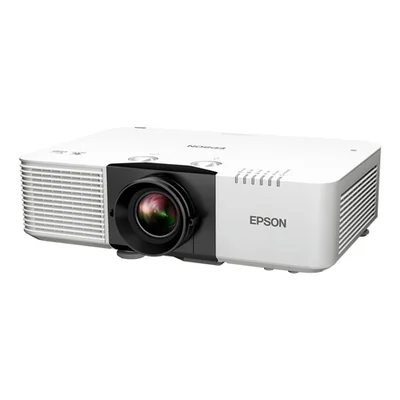
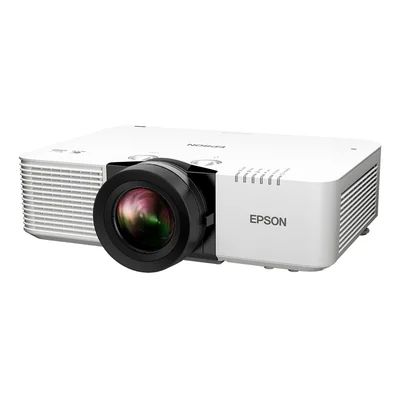
3LCD laser projector, WUXGA, 6,500 lumens, Wi-Fi 6, white
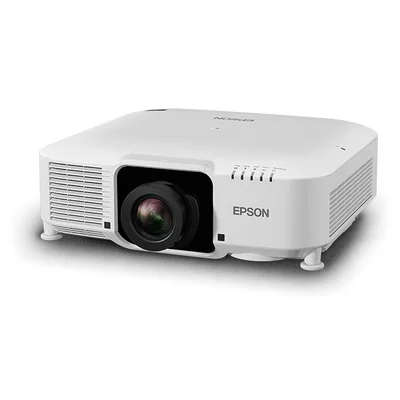
3LCD laser projector without lens, 6000 lumens, WUXGA, white
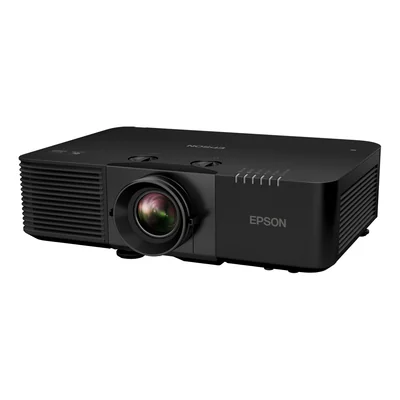
3LCD laser projector, 8000 lumens, WUXGA, Wi-Fi, HDBaseT, black
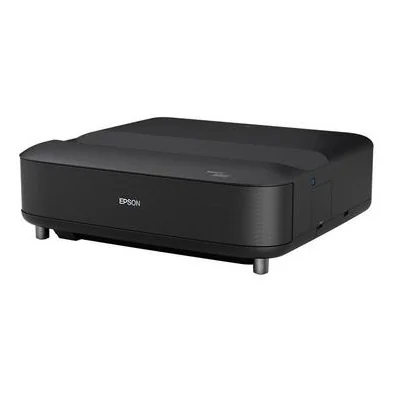
3LCD laser ultra short throw projector, 4K PRO-UHD, 3600 lumens, Google TV, black
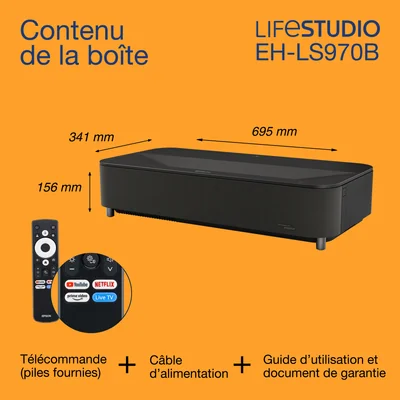
Ultra short throw 3LCD laser projector, 4K, 4000 lumens, Google TV, black
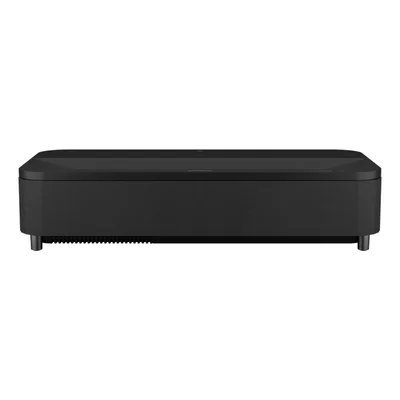
Ultra short throw laser projector, 1080p with 4K enhancement, 4000 lumens, Android TV, black
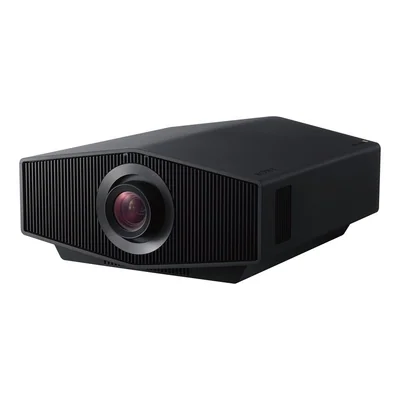
4K SXRD laser projector, 2700 lumens, motorised zoom, HDMI 2.1, black
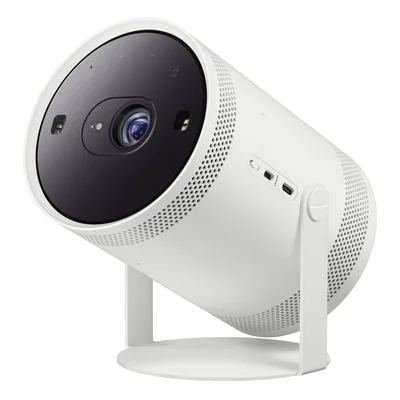
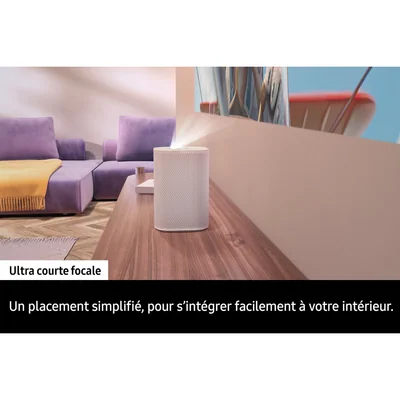
Ultra short throw triple laser projector, Full HD, 560 ISO lumens, touch, white
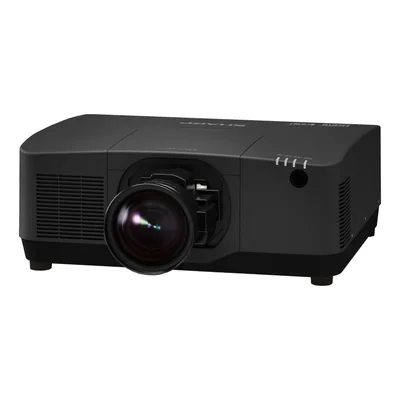
Laser projector without lens, 3LCD, WUXGA, 16000 ISO lumens, HDR10, black
Restock announced
€18,390.30 incl. VAT


Laser, ultra-short-throw and home cinema projectors
A projector casts a large image onto a wall or screen, whether for a presentation to a team, a lesson, a conference or a film in the living room. Epson's laser models in the EB Series cover offices and education. The Lifestudio and EH Series ranges, Sony BRAVIA projectors and Samsung's The Premiere and The Freestyle lean towards home cinema. Manual, motorised, framed and tripod projection screens complete the set-up, alongside ceiling mounts, lenses and carry bags.
In a classroom, an interactive ultra-short-throw model sits just above the board, makes the image touch-sensitive and keeps the teacher's shadow off the picture. For meetings, a Wi-Fi projector shows a laptop screen without a cable, while an HDBaseT model takes video over a network cable from a distant source. At home, an ultra-short-throw unit placed against the wall stands in for a large television, and a portable LED model moves easily from room to room.
Brightness, measured in lumens, depends on how much light the room gets and how large the image needs to be. Around 3500 to 4000 lumens keeps the picture readable in a lit room of ordinary size, whereas 6000 or 8000 lumen models serve lecture theatres and large halls. Resolution runs from WXGA to Full HD, then WUXGA, which suits office content, and on to 4K. A label reading 1080p with 4K enhancement means a reconstructed image, sharper than Full HD but distinct from native 4K.
Throw distance, whether standard, short or ultra-short, sets how far the unit stands from the screen, so the room is worth measuring before buying. Lensless models for large venues are ordered with a lens chosen for that distance. The screen should match the projector's format, 16:10 for WUXGA and 16:9 for Full HD or 4K, and an ambient light rejecting (ALR) screen lifts contrast for an ultra-short-throw unit in a bright room. A 4K source also needs a suitable input and cable, HDMI 2.1 on some models.
Across a company fleet, a laser light source removes lamp replacements and Wi-Fi 6 makes screen sharing over the network easier. A school or town hall readily picks wall-mounted interactive touch models that serve as both board and display. Home buyers usually weigh up Lifestudio with built-in Google TV, The Premiere or BRAVIA for a home cinema, and The Freestyle for portable use.
BenQ, Epson, Acer, Optoma, Infocus, Viewsonic, Sharp, Sony, Philips and LG cover the projectors, from desk-friendly units to laser models with interchangeable lenses. Elite Screens, Celexon, Reflecta and Avtek make the screens, from manual pull-down and tripod screens for mobile rooms to motorised and framed models for permanent installations.
Frequently asked questions
What is the difference between an ultra-short-throw projector and a standard-throw model?
A standard-throw model sits at the back of the room or on the ceiling, several metres from the screen. An ultra-short-throw projector stands a few centimetres from the wall yet still produces a large image, with no shadows and no beam in the presenter's eyes. It suits living rooms, classrooms and small rooms where the unit cannot be moved back.
How many lumens does a classroom or meeting space need?
In a lit room of ordinary size, a projector around 3500 to 4000 lumens keeps the image readable without closing the blinds. Lecture theatres and large halls need more, with 6000 or 8000 lumen models. The larger the image and the brighter the room, the more brightness matters.
Should I choose a laser or an LED projector?
A laser light source powers a growing number of meeting room, classroom and home cinema models. It delivers high brightness and removes the need for lamp replacements. LED is found mainly in portable projectors such as The Freestyle, which are more compact and less bright, meant for casual viewing in a darker room.
Which projection screen format should I pick, 16:9 or 16:10?
The screen should match the projector. A WUXGA model, common in offices and education, projects in 16:10, close to a computer display. A Full HD or 4K home cinema projector works in 16:9, the format of films and series. A mismatched screen leaves empty bands around the picture.
Can an interactive projector replace a whiteboard in a classroom?
An interactive ultra-short-throw model, such as those in Epson's EB Series, makes the projected image touch-sensitive. Teachers can write, annotate and control the computer directly on the surface, which works as both board and display. Input by finger or pen depends on the model.
What does 1080p with 4K enhancement mean on a projector?
The projector starts from a Full HD image and shifts it very quickly to show extra detail. The result is sharper than standard Full HD without reaching the native 4K of BRAVIA SXRD projectors. The difference shows mostly on a large screen viewed up close.
What do I need to plan for with a lensless projector?
A lensless model, intended for large halls and auditoriums, is ordered with a separate lens. That lens is chosen according to the distance between projector and screen and the image size required. A ceiling mount rated for the weight of the whole assembly should also be planned.